

 EN
EN FR
FRDreams and Signs
Signs of Emotional Trauma in Relationships
Written by Tarot Center Staff
Romantic relationships are often the most faithful mirror of our deepest internal wounds. When we bring unresolved, difficult experiences from past relationships or childhood, it is quite common for them to manifest unconsciously in our daily love lives. Recognizing the signs of emotional trauma in relationships is the indispensable initial step to breaking repetitive cycles of pain and building connections that are truly safe and based on mutual well-being.
Often, attitudes such as hypervigilance, extreme fear of abandonment, difficulty trusting, and exaggerated defensive reactions to minor conflicts are, at their core, latent marks of past trauma. The nervous system remains in a continuous state of alert, trying to protect us from old pain. In this comprehensive guide, you will discover how to identify the signs of emotional trauma in love, the paths to intimate alignment, and how Tarot serves as a powerful reflective guide to illuminate these dynamics and restore harmony.
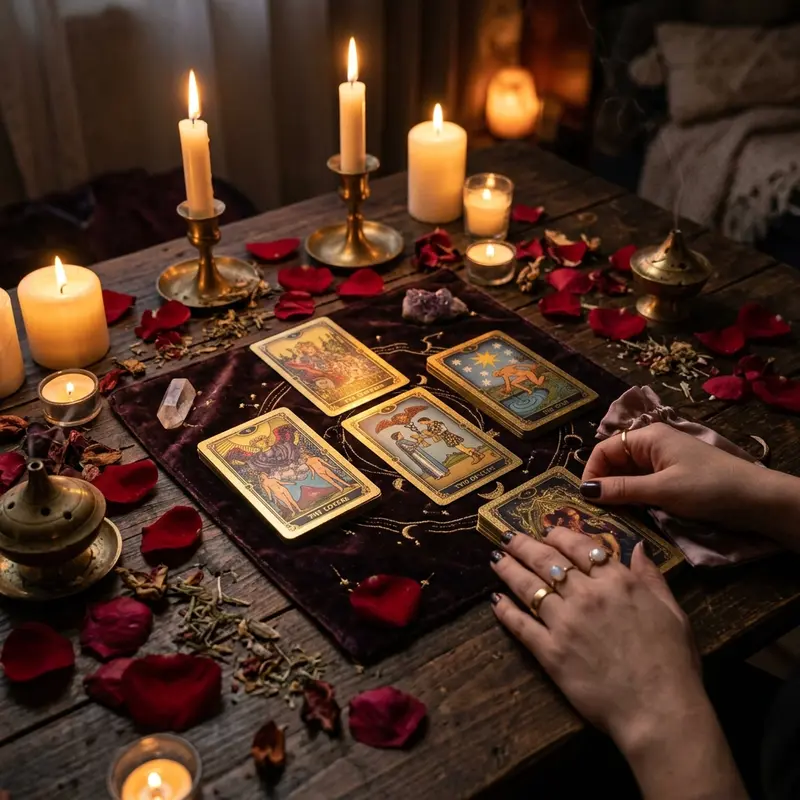
What Is Emotional Trauma in Relationships?
Emotional trauma in the romantic sphere arises from experiences that overwhelmed our capacity for emotional processing. This can include painful betrayals, systematic rejection dynamics, abrupt abandonments, or living in toxic past relationships. This impact leaves marks on the emotional body and the nervous system, silently dictating how we approach or distance ourselves from current partners.
The Unconscious Defense Mechanism
Faced with a painful experience, our subconscious mind creates automatic defense shields. In current love life, these shields manifest as voluntary distance, irrational jealousy, or constant tests of loyalty with the partner. The unconscious goal is to ensure you are never caught off guard by pain again. However, these same barriers end up blocking the entry of the true and healthy love you seek so much.
Emotional Trauma vs. Healthy Emotional Reaction
Not every emotional response to a problem in a relationship is the result of trauma. To help differentiate common reactions from dynamics based on deep wounds, we have created the following comparative table:
| Situation | Trauma-Based Response | Healthy / Proportional Response |
|---|---|---|
| The partner takes time to reply to a message | Sudden panic, intense anger, or absolute certainty of imminent abandonment | Logical assumption that they are busy, maintaining mental peace |
| Argument or difference of opinions | Shutting down, silent treatment, or violent verbal counterattack | Active listening to disagreements and seeking constructive dialogue |
| Partner expresses affection | Immediate suspicion of hidden motives or feeling of suffocation | Joyful reception and natural loving reciprocity |
The Most Common Signs of Trauma in Relationships
The signs of emotional trauma in relationships are varied and often confused with personality traits (such as "I am just a jealous person" or "I have a strong temper"). Bringing them to the level of consciousness is the first step toward affective balance.
Hypervigilance and Searching for Signs of Rejection
The traumatized person lives in a constant state of alert, looking at the tone of voice, physical posture, or subtle look of the partner for any indication that they are losing interest or planning betrayal. This chronic fatigue of the nervous system generates constant anxiety and insecurity, hindering relaxation and pleasure in mutual company.

Extreme Difficulty Setting Healthy Boundaries
Another common manifestation is "people-pleasing" behavior at all costs for fear that setting boundaries will result in abandonment. On the other hand, some individuals react by setting excessively rigid boundaries, preventing any real closeness from the partner. Finding the middle ground is vital for the health of the couple.
Paths of Integration and Intimate Harmonization
Overcoming the marks of trauma does not mean forgetting the past, but rather removing its power to dictate your behavior in the present. It is a process of welcoming and regulating the emotional field.
Practices of Self-Acceptance and Regulation
Developing self-perception in moments when automatic defenses are activated helps create a time gap between the emotional trigger and the physical reaction. Somatic support, conscious breathing exercises, and compassionate internal dialogue are excellent tools to show your nervous system that you are safe here and now.
Vulnerable Communication
Learning to express your fears to your partner clearly — without blaming them for your internal triggers — helps build a relationship of true partnership and complicity. Sentences like "when you do this, my old insecurity activates" build bridges instead of protective walls.
Tarot as a Mirror of the Wounds of the Heart
Tarot acts as a compassionate revealer of our deepest energy blocks, functioning as a neutral mirror that shows where the energy of painful experiences is retained and how to restore harmony.
Arcana That Reveal Trauma Marks in Love
In Tarot readings for relationships, cards like the Three of Swords (deep pain, undigested betrayal), the Five of Cups (focus on what was lost, stagnant emotional grief), or the Nine of Swords (extreme anxiety and obsessive thoughts) often point to the active presence of past traumas. The appearance of the Ten of Swords also suggests the need to definitively end a painful cycle to make room for the new.
Alignment and Guidance of the Cards
Through oracular symbols, you can identify clearly which dynamics from the past are intruding into your present relationship. Tarot offers precise advice on what internal postures to adopt to restore self-confidence and emotional security. To understand more about overcoming these limiting patterns, read our detailed article on the dynamics of Anxious Attachment Style Signs and find the path to balanced relationships.

Does Your Past Still Govern Your Heart?
The pain of past relationships does not have to define your love future. Allow Tarot to bring light to your subconscious blocks and point the way to emotional harmonization and well-being. Get your free Tarot reading now and open the doors to safe love.
Get My Free ReadingFrequently Asked Questions About Emotional Trauma in Love
Is it possible to have a healthy relationship even with emotional trauma?
Yes, absolutely. Having trauma does not prevent anyone from loving or building a wonderful life together. The secret is for both partners to be aware of these dynamics and work together to create a safe space for listening to each other's triggers, focusing on shared growth.
How does Tarot help disarm trauma-based reactions?
Tarot works by bringing the unconscious to the conscious mind in a gentle and symbolic way. By visualizing your fear represented in a card, the rational mind can understand the origin of the exaggerated reaction, taking away the strength of the automatic response and allowing much more conscious choices.
What to do when the partner is the one showing signs of trauma?
The best way is to offer patience, safety, and attentive listening without judgment. Avoid minimizing their pain or trying to force a behavior they are not energetically ready for. Encourage mutual self-knowledge practices and affectionate communication in daily life.
What do the cards say about this?
Intuition speaks through signs. The Gypsy Deck can translate these energies into practical advice for your life now.
Get Free Reading